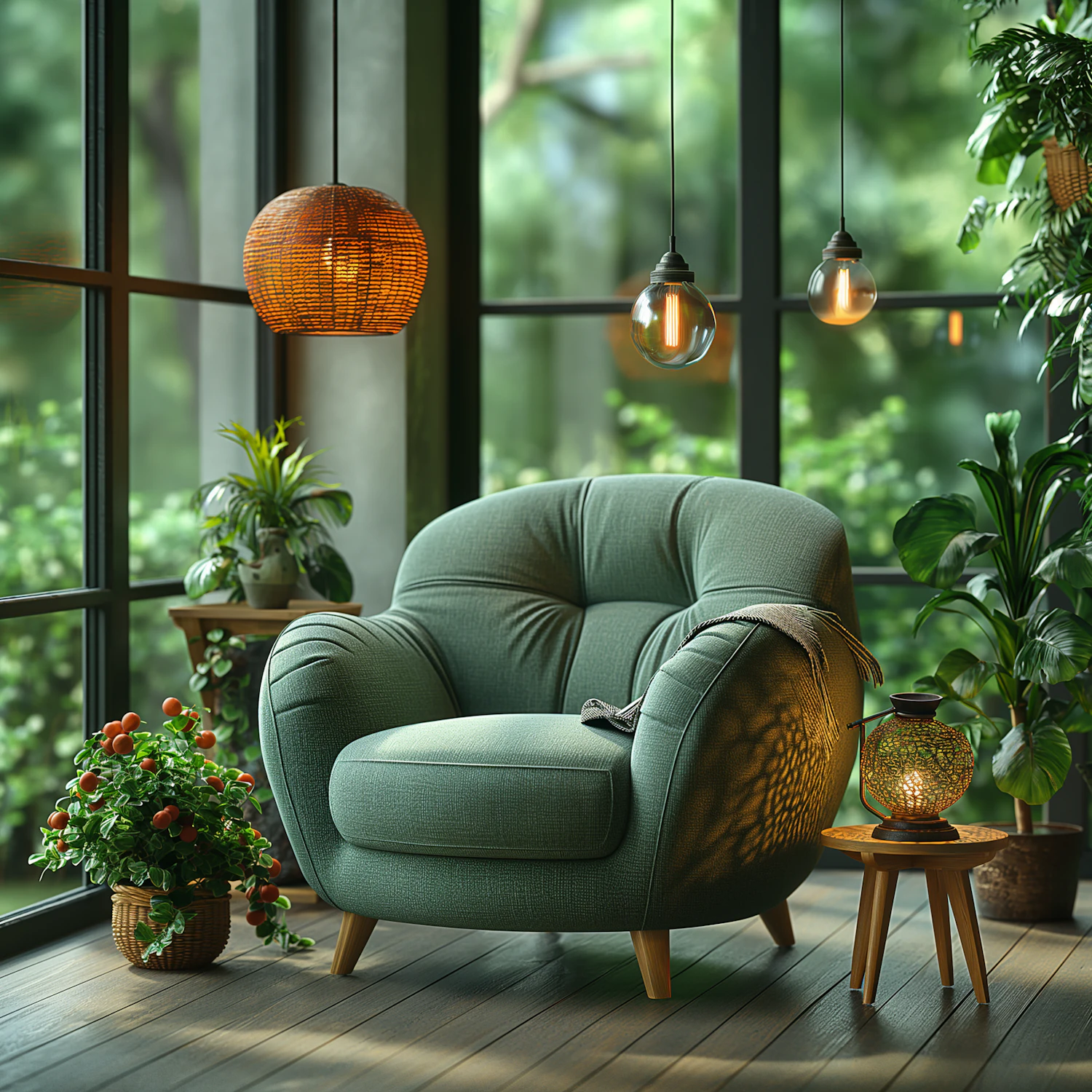
AI in Eco-Friendly Interior Design
Explore how AI is shaping the future of eco-friendly interior design by integrating sustainability with intelligent design, tailored personalization, and innovative solutions.
•
L et's imagine stepping into a space that not only satisfies your aesthetic senses but also nurtures the environment. How can artificial intelligence (AI) make such eco-friendly interior design not only possible, but seamless? AI is gradually becoming a crucial tool in eco-friendly interior design, providing innovative solutions that help designers create spaces that are sustainable, beautiful, and highly functional.
Enhancing Sustainability Through AI
AI tools are revolutionizing the way designers approach sustainable design by analyzing patterns and predicting outcomes. For instance, AI-powered software can simulate various design iterations to find the most environmentally efficient option. This includes analyzing how natural light enters a room throughout the day, informing the strategic placement of windows and skylights to reduce reliance on artificial lighting. Sun Seeker, a tool developed through AI, allows designers to determine the impact of sunlight exposure on energy consumption and optimize the use of natural light [1].
Moreover, AI tools can often suggest sustainable materials that minimize environmental impact. Consider a scenario where an AI system recommends materials based on the client's preference for reused or ethically sourced goods, ensuring that these choices are integrated into the design without compromising quality or aesthetic. For example, Scandinavian design firms like Space Copenhagen leverage algorithms to find materials that are both stylish and environmentally conscious, such as recycled steel and reclaimed wood, for their high-end projects, demonstrating how AI can seamlessly foster eco-friendly practices in luxury contexts.
AI, Personalization, and Consumer Preferences
AI provides the ability to tailor designs to individual needs, preferences, and even improve health outcomes. Through machine learning algorithms, AI can predict what design elements clients are most likely to respond to positively. An AI-powered tool can gather and analyze a person's search history, past preferences, and even social media activity to propose designs or suggest modifications that align with both the client's desires and sustainability goals. For instance, startups like DecorMatters employ AI to customize rooms according to a client’s style while ensuring that materials and decor items are environmentally friendly.
In addition, AI can assist in maintaining indoor air quality by suggesting plant arrangements based on a room’s dimensions and lighting conditions. AI-driven applications can thus promote the use of houseplants that are effective in purifying the air, contributing to a healthier living environment.
The journey of AI within eco-friendly interior design doesn't stop there; it opens up new realms of creativity and innovation. As AI becomes more sophisticated, it will continue to unlock possibilities for sustainable living spaces that are adaptable, ergonomic, and attuned to the nuances of human interaction with their environments. By marrying technology with design, AI helps us to not only envisage but create living spaces that enhance our well-being while respecting the planet.
[1] Sun Seeker uses sunlight pattern data to optimize natural lighting, helping to minimize energy usage and enhance design sustainability.