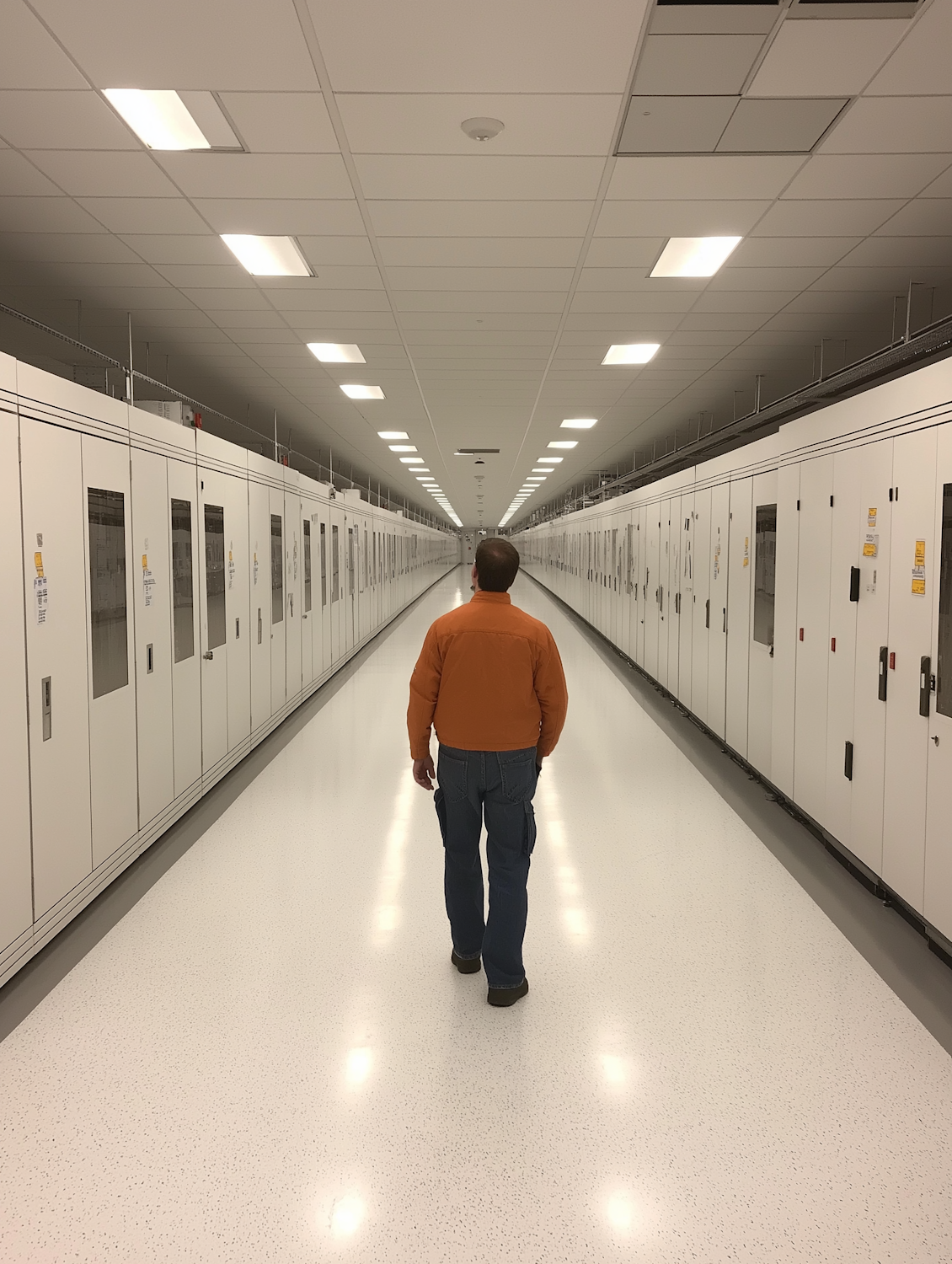
AI-Powered Predictive Maintenance in Textiles Manufacturing
Discover how AI-driven predictive maintenance is revolutionizing textiles manufacturing by enhancing efficiency and reducing downtime.
•
T he transformative power of artificial intelligence is making waves in niche industries like textiles manufacturing, particularly in the realm of predictive maintenance. As AI continues to evolve, its role in ensuring efficiency and reducing downtime in textile mills is becoming ever more critical.
The Importance of Predictive Maintenance
In textiles manufacturing, unexpected machine failures and unplanned downtimes can significantly impact production schedules, incurring high costs and delaying order fulfillments. Predictive maintenance, a proactive maintenance strategy, utilizes AI and machine learning algorithms to predict when equipment is likely to fail. This allows manufacturers to perform necessary maintenance before issues occur, thereby minimizing downtime and optimizing production efficiency.
Modern textile factories are dynamic environments with complex machinery. AI algorithms are employed to monitor equipment conditions in real-time, analyzing data from sensors placed on machines such as looms, spinning devices, and dyeing machines. This data includes temperature, vibration levels, and motor speeds, all of which are critical indicators of machine health.
Real-World Application of AI in Textiles
An exemplary case is that of Enpertex Textiles, a mid-sized manufacturer that supplies cloth to various fashion retailers. They implemented an AI-driven predictive maintenance system which led to a 30% reduction in unexpected machinery failures within the first year [1]. Sensors on operational equipment continuously collect data, which is then analyzed using machine learning models. These models are trained to detect anomalies by comparing current data against a historical performance baseline. When an anomaly is detected, the system automatically alerts maintenance teams, who can then intervene before a breakdown occurs.
The success at Enpertex Textiles showcases the financial and operational benefits of AI in textiles. Energy consumption dropped by 20% due to less frequent machine strain and overheating. Moreover, production line efficiency improved, subsequently enhancing the company's ability to meet demand and reduce lead times [2].
Challenges and Future Directions
Despite the benefits, integrating AI into textile predictive maintenance isn't without challenges. One significant hurdle is the need for substantial initial investment in technology and staff training. While large operations may absorb these costs, smaller manufacturers might struggle to justify such expenses.
Furthermore, the complexity of AI models and the necessity for precise data interpretation require ongoing collaboration between IT professionals and engineering teams to fine-tune systems for optimal performance. In addition, considerations around data privacy and security are paramount, as reliance on cloud-based solutions might introduce vulnerabilities.
Nevertheless, the trajectory of AI in textiles points towards more sophisticated applications. We anticipate advancements in AI models that account for even more variables, becoming increasingly predictive rather than reactive. Integrating AI with Internet of Things (IoT) technology promises to enhance predictive capabilities, offering deeper insights into maintenance and operational efficiencies.
As AI technology continues to evolve, the textiles industry will likely see further optimization, reduced costs, and enhanced product quality. For now, companies exploring AI-driven predictive maintenance strategies are, quite literally, weaving the future of manufacturing.
[1] A 30% reduction in machinery failures can translate into significant cost savings and increased production uptime.
[2] Decreasing energy use by 20% not only reduces operational costs but also contributes to sustainability goals.