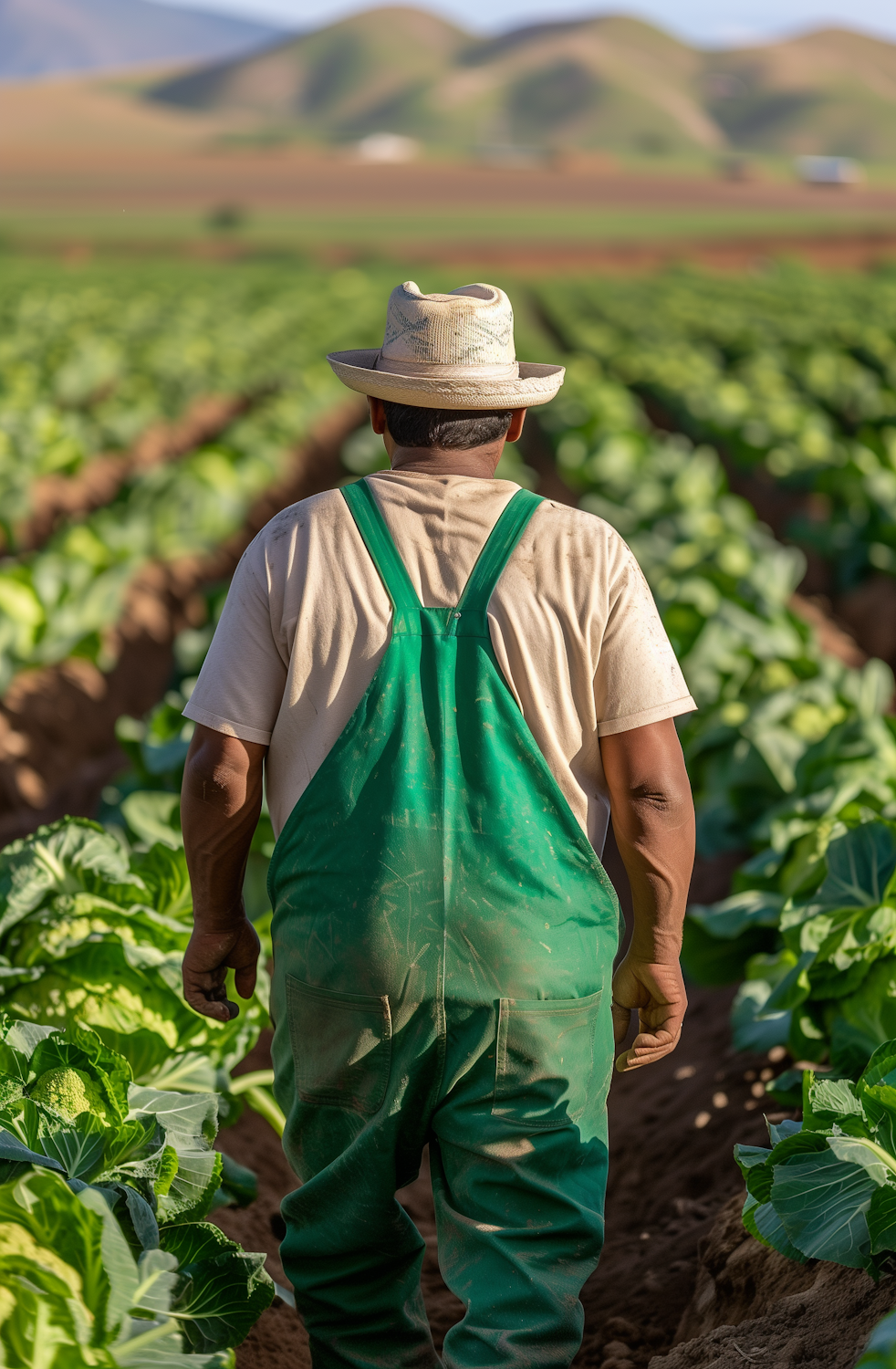
AI in Precision Agriculture: Cultivating Productivity and Sustainability
Explore how Artificial Intelligence is revolutionizing the precision agriculture industry, enhancing productivity while promoting sustainability and addressing water scarcity.
•
I n recent years, Artificial Intelligence has been making waves across various niche industries, and agriculture is no exception. Precision agriculture, a farming management concept that uses AI technologies to enhance crop yield and minimize inputs, represents a significant leap forward in the way we grow our food. Although relatively new, this practice is paving the way for a future where technology and agriculture can harmoniously coexist for enhanced productivity and sustainability.
Precision Farming: The AI Advantage
Think of precision agriculture as farming with a superpower. With AI, farmers can precisely monitor soil, weather, and plant health, and make informed decisions that directly influence yield. For example, predictive analytics can help farmers anticipate weather patterns and adapt their planting and irrigation schedules accordingly. This approach reduces wasted resources and optimizes crop growth, pushing us towards sustainable farming methods [1].
A real-world example of AI transforming precision agriculture comes from John Deere, a company known for its agricultural machinery. Over recent years, John Deere has shifted towards becoming an AI-driven company by incorporating computer vision and machine learning into their equipment. Their AI-enabled tractors can identify specific plant traits and provide data back to the farmer, allowing precise application of pesticides and fertilizers—minimizing waste and environmental impact [2].
Smart Irrigation Systems: Watering Wisely
One of the critical challenges in agriculture is water management. Enter AI-driven smart irrigation systems. AI can analyze data from thousands of sensors embedded in the soil to determine moisture levels and predict crop water requirements. This level of insight helps farmers avoid overwatering or underwatering, which are common issues that can damage crops and waste one of our most precious resources: water.
AI has been instrumental for farmers in California, a state known for both its agriculture and drought challenges. By employing AI-based systems that monitor soil moisture and predict watering needs, Californian farmers have succeeded in maximizing yield without increasing water usage. This approach supports sustainable agriculture while also addressing water scarcity, a growing concern in many regions worldwide.
Challenges and Considerations
Nevertheless, the integration of AI in precision agriculture is not without its hurdles. Small-scale farmers may find the initial cost of AI technology prohibitive. Although operational savings and increased yield can offset these costs over time, the initial investment remains a significant barrier [3]. Additionally, the reliance on AI infrastructure means that data security and privacy issues must be rigorously addressed to protect farmers' proprietary data from being misappropriated.
To support farmers, particularly those operating on smaller scales, government subsidies or low-interest grants could play a pivotal role in helping them adopt these transformative technologies. Furthermore, ongoing education and support will be crucial to demystifying AI tools and ensuring farmers are equipped to use them effectively.
As we move towards a more technologically integrated farming future, bridging the gap between AI capabilities and farmer accessibility will be essential. In doing so, we promote not only productivity but also the long-term sustainability of our planet's food supply.
[1] Precision agriculture uses AI to adapt farming practices based on data insights about crop needs, leading to increased yields and reduced use of resources.
[2] John Deere's shift toward AI involves creating autonomous machines that help farmers accurately address crop needs, reducing environmental impact.
[3] High initial costs associated with AI technologies can be a barrier for small-scale farmers, despite long-term benefits.