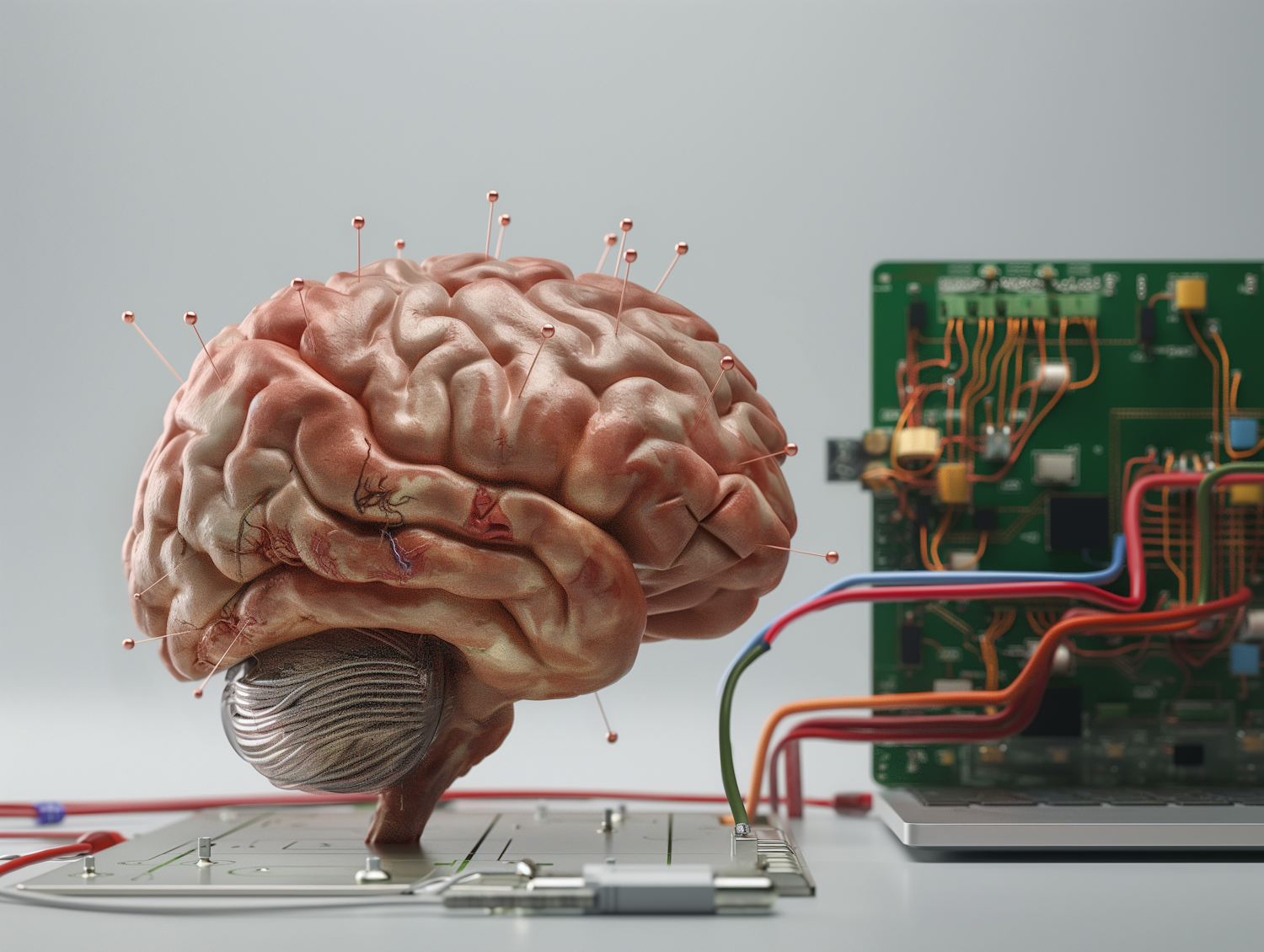
AI-Driven Feedback Systems: Transforming the Candidate Experience
Explore how AI-driven feedback systems are revolutionizing the candidate experience in recruitment, offering timely, personalized insights.
•
I n the rapidly evolving world of recruitment, candidate experience has become a pivotal point of focus. A positive interaction during the hiring process not only attracts top talent but also enhances a company's reputation. One of the game-changers in crafting exceptional candidate experiences is the implementation of AI-driven feedback systems.
The Need for Timely and Constructive Feedback
The conventional recruitment process often leaves candidates in a limbo of silence after interviews. This not only leads to frustration but can deter highly qualified candidates from further engaging with the company. Studies have shown that candidates who receive swift feedback post-interview are 5 times more likely to perceive the employer as respectful and organized [1]. By leveraging AI to automate and personalize feedback, companies can create a more engaging and inclusive experience.
How AI is Enhancing Feedback
AI-driven systems bring a systematic approach to providing feedback. These systems use natural language processing (NLP) to analyze interview inputs and performance metrics, generating feedback that is both specific and actionable. For instance, an AI system might identify that a candidate needs to improve on problem-solving aspects based on the discussion during the interview.
One real-world example is Unilever, which adopted an AI tool to provide candidates with detailed feedback. Their AI system evaluates digital interviews and automatically generates feedback on strengths and areas of improvement within 24 hours [2]. This not only benefits candidates in self-improvement but also reflects positively on the employer brand.
Implementation Challenges and Ethical Considerations
While AI-driven feedback systems offer robust potential, they are not without challenges. Ensuring that AI models do not inherit bias from training data is critical. There have been instances where AI systems were found to evaluate personality traits differently across diverse groups [3]. Therefore, transparency about how feedback is generated is necessary to build trust.
Moreover, companies must balance automation with the human touch. Although AI can handle the mechanics of feedback delivery efficiently, human oversight is essential to ensure the feedback is empathetic and contextually appropriate.
Ultimately, integrating AI-driven feedback systems is an ongoing process of feedback refinement and human-AI synergy. Organizations must commit to continuous evaluation and updating of algorithms, adhering to ethical standards, and prioritizing candidate welfare.
In conclusion, AI-driven feedback systems hold the promise of transforming the candidate experience by providing timely, personalized, and constructive insights. By adopting these systems responsibly, companies can foster an environment of growth and respect, ultimately attracting and retaining top talent.
[1] According to a study by LinkedIn, timely feedback significantly influences candidate satisfaction and future application likelihood.
[2] Unilever's adoption of AI for feedback has resulted in a 20% increase in candidate satisfaction scores.
[3] AI bias can occur if training data reflects historical biases, thus ethical AI development is crucial.